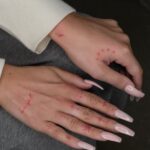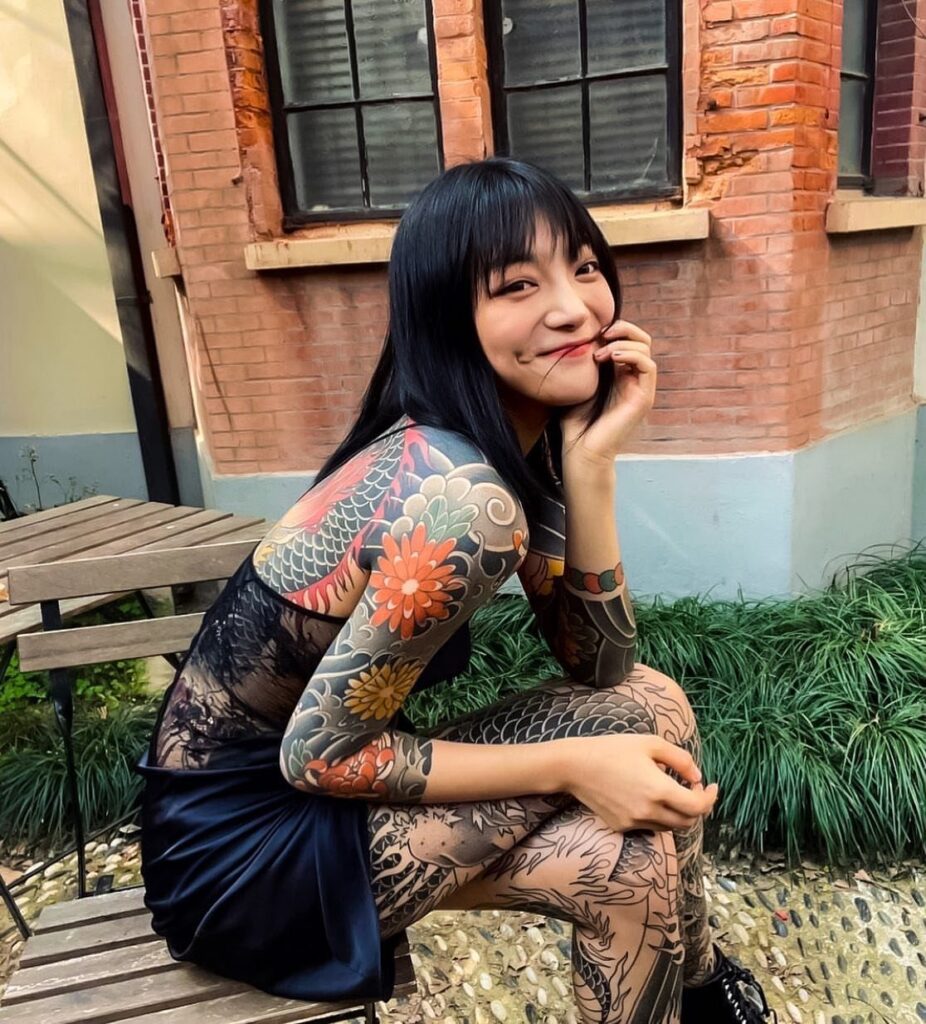
Japanese tattoo placement ranges from hidden leg pieces to hand work you cannot walk back from, and the deciding factor is how much social and professional visibility you can live with.
[link-whisper-related-posts]1. Kanji Tattoo Placement
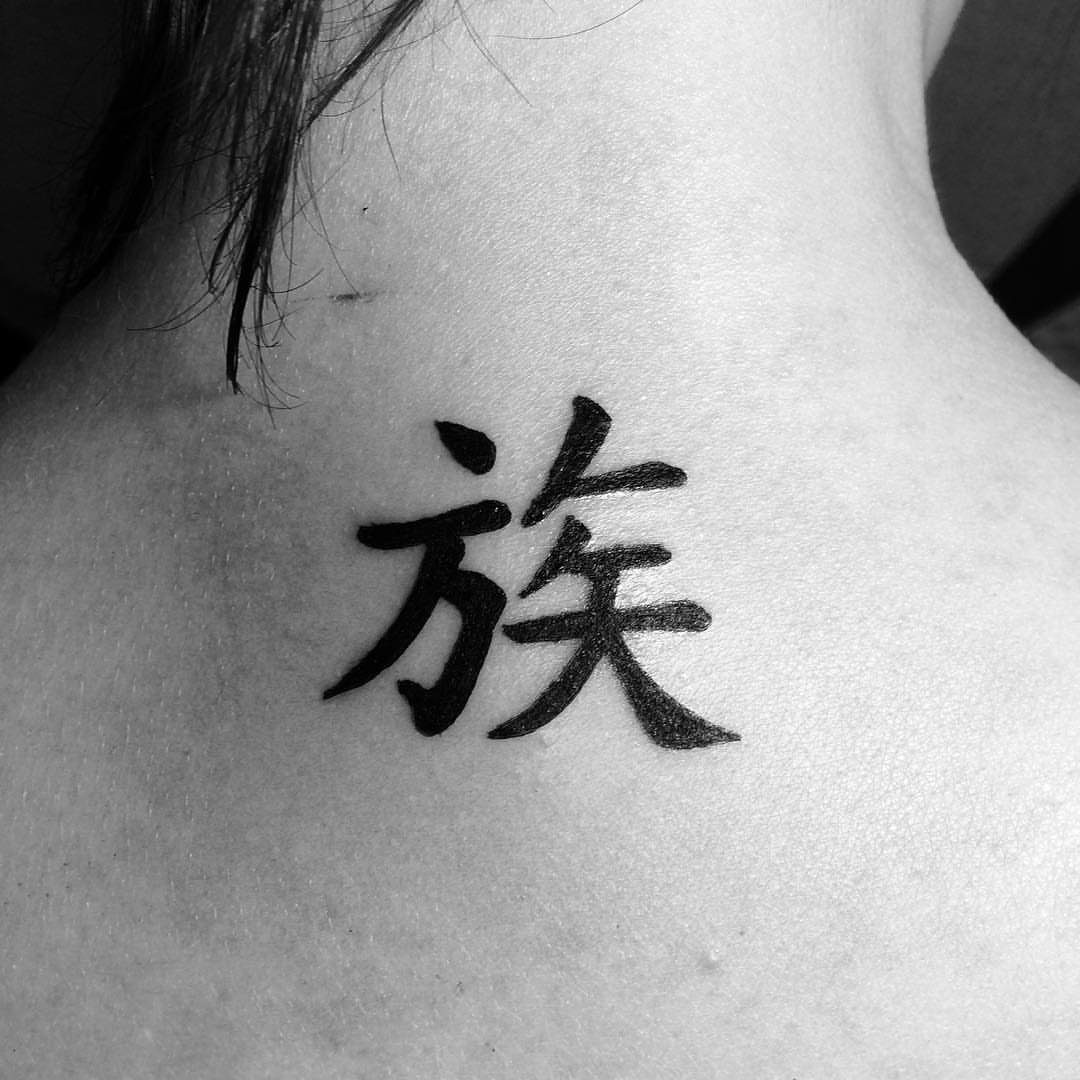
A kanji character on the upper back reads differently in Japanese eyes than the same character on a wrist or ankle.
Formal calligraphy belongs on traditional placements like the back or chest, where vertical orientation and flat skin let the strokes breathe. Looser brush script fits the forearm and other modern spots where the angle stays readable.
Anything smaller and the stroke variation that gives kanji its meaning turns to mush during healing.

Innovative Skin-Sync Technology: We don't just sit on the skin; we interact with it. By reacting organically with naturally occurring proteins in your skin's outermost layer (stratum corneum), our plant-based formula magically transforms from a transparent guide into a rich, ultra-realistic navy-black. It looks exactly like a healed, permanent tattoo—without the needles or depth.


2. Single Kanji Tattoo
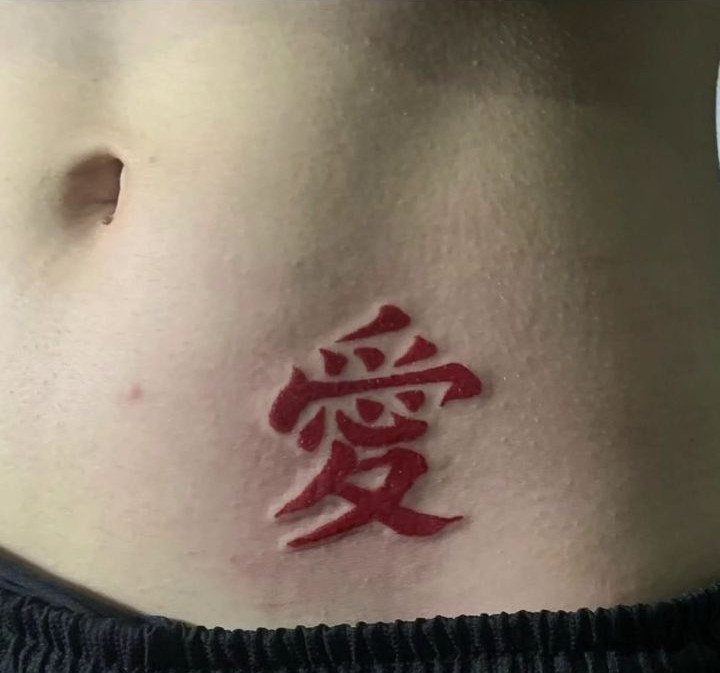
Single kanji needs room to be legible. A single red character on the lower abdomen stays readable when the skin there lies flat and the piece is sized bold enough for the stroke count.
Most characters need more room than you think; I would rather see a piece run a little large than lose detail to shrinking.
Anything with 16 or more strokes needs at least 4 inches or the fine details blur into a blob by month three.
Leave breathing room around a first character if you might build a phrase later, so the spacing still works when more ink joins it. A 2-inch kanji surrounded later by 4-inch companions looks like a mistake.

🌼【VARIETY OF POPULAR PATTERNS 】Package Includes 17 Sheets HIGH QUALITY Mixed Style Realistic Family Themed Animals Temporary Tattoos For Men Women Forearm Half Arm Sleeve Tattoo Stickers. 3D Gothic Leopard Lion Tiger Wolf Temporary Tattoos Dragon Cobra Snake Scorpion Skull Warrior Phoenix Pirate Ship Compass Anchock Clock Faith Words Carved Tattoos For Adults.

🐙12 Sheets Unique Arrow Temporary Tattoos Chains:🐠 There Are 12 Sheets Black Large Forearm Temporary Tattoos For Women Adults Half Arm Tattoo Sleeve Temporary Tattoos For Men Including Various Popular Designs Geometric Compass Anchor Viking Symbol Totem Arrow Tattoos Chains Tattoos Forearm Tattoos Half Arm Sleeve Tattoo Sticker.

★【68 Sheets Large Variety Black Temporary Tattoos For Men Women Adults】--Contain More Than 500 Exquisite Designs COKTAK Brand Waterproof Animal Temporary Tattoos For Adults Kids Boys Girls Teens Fashion Hot Popular Designs Tattoo Stickers in One Package.【Size】:12 Sheets Fake Temporary Tattoos For Women 8.2"x4.5" 21x11.5CM and 56 Sheets 4.1"x2.3" 10.5x6CM Tiny Small Temporary Tattoos For Kids Halloween Makeup Kit Face Fake Tattoos For Women Jewels Jewelry.
3. Japanese Forearm Tattoo
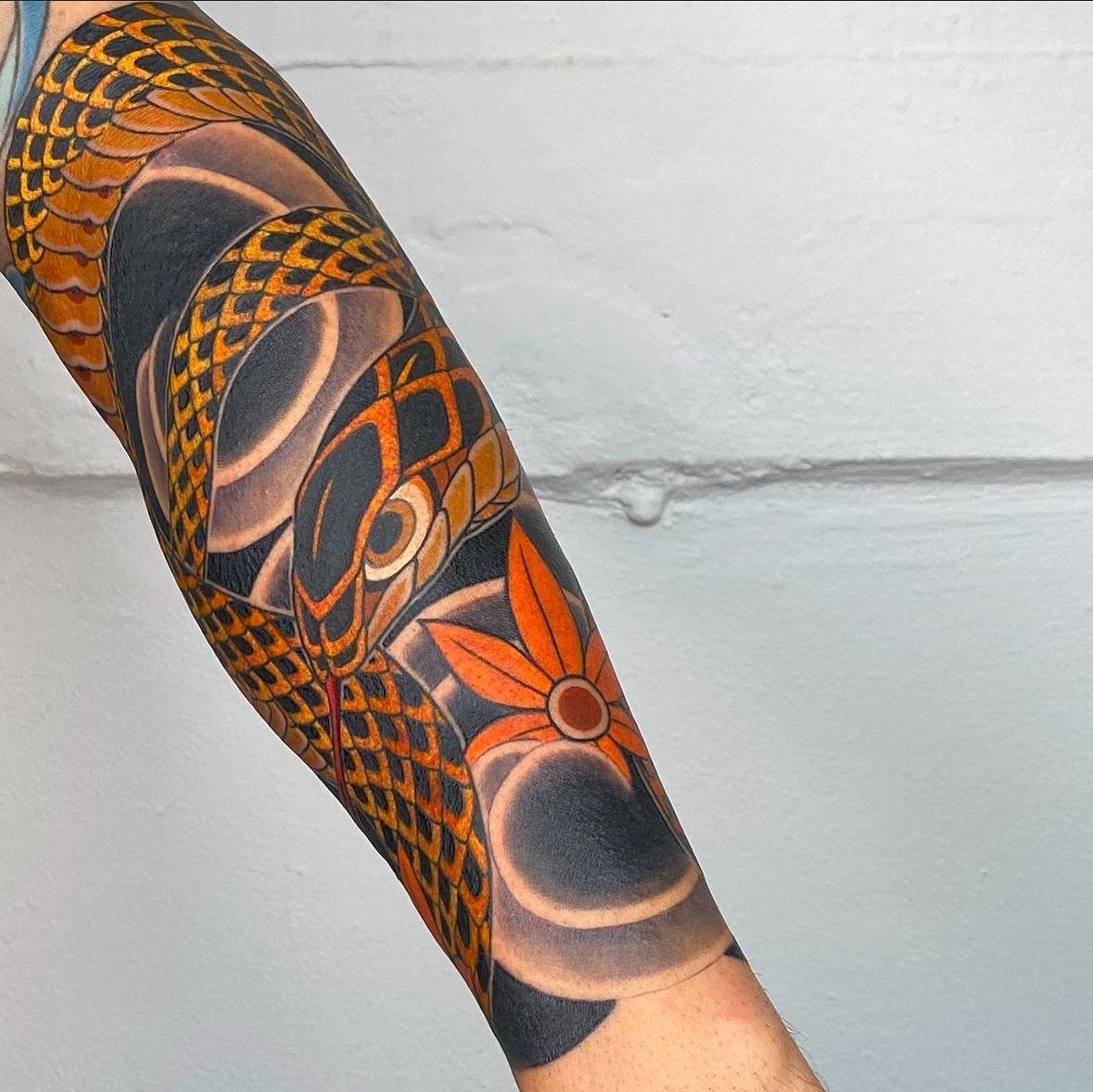
The forearm gives Japanese work the visibility and flat canvas it needs. Snake scales and maple leaves stay legible on the forearm when the artist has enough uninterrupted skin to lay in wind bars behind the main subject.
Check whether your design flows with the arm’s natural bend. A snake that looks coiled at rest can seem broken when you flex.
Ask your artist to draw the stencil with your elbow both straight and bent. Japanese forearm pieces often extend toward the wrist or elbow; decide before the first session how far you want this to travel.

1 Set = 12 Sheets Henna Tattoo Stencils, 6 Pairs Right and Left hands stencils. Pasting position: Hand, Finger,Forearm, etc. Suitable for Henna tattoo, Airbrush Painting, Glitter tattoo, and so on;

✔[FISH TEMPORARY TATTOO] Briyhose Realistic Fish Tattoos Temporary Can Cover Your Body Parts Large. It Contains 8 Sheets 8.27 * 5.83 Inch (21 * 14.8cm) Half Sleeve Fish Fake Tattoo Stickers For Adults Men Women Tatto Kit. You Can Share It With Your Family And Friends.

Premium Quality 1.5mm Silicone Material – Crafted from premium 1.5mm thick silicone, this tattoo skin offers a true-to-life feel with excellent durability and a smooth surface for effortless needle movement during practice.
4. Japanese Hand Tattoo
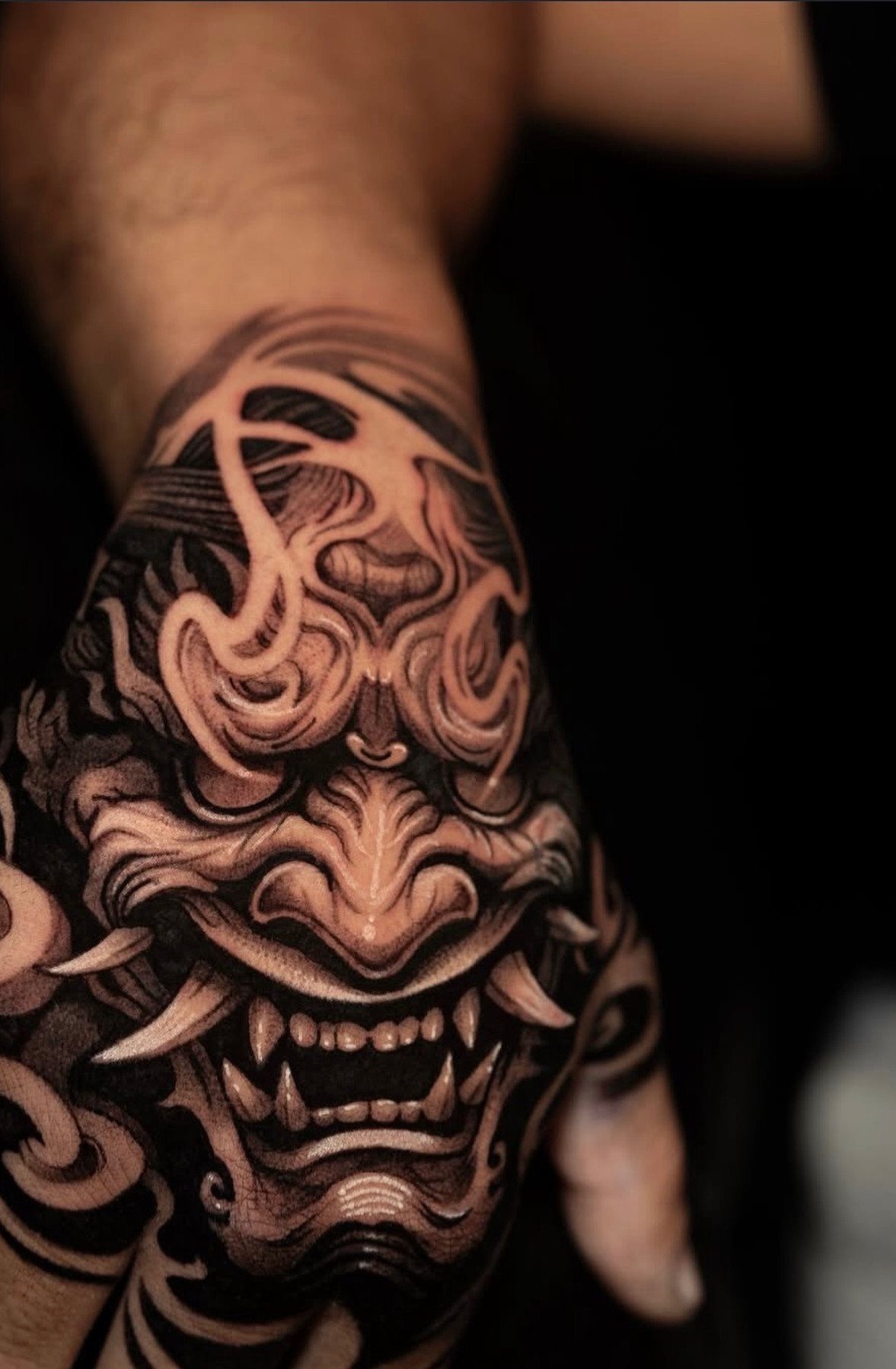
A Hannya mask across the hand and knuckles is the kind of placement you do not walk back from.
Healing here is rough.
Knuckles crack, scab, and often need touch-ups. The back of the hand swells enough that your artist may work in shorter sessions than usual.
In Japanese tattoo culture, hand placement sits outside the mainstream; it reads as a deliberate break from irezumi tradition, which carries social weight you should understand before you ask for it.
The flat bone beneath the skin lets lines stay crisp, but only if your artist knows how to tattoo over tendon and joint without blowing out.

COMPLETE AFTERCARE KIT FOR NEW & EXISTING TATTOOS: This Tattoo Aftercare Kit brings together 3 essentials, Antimicrobial Soap, Tattoo Balm, and Tattoo Lotion, to help cleanse, protect, and moisturize fresh ink. Useful after tattoo sessions and throughout healing, it supports vibrant color and skin comfort for dedicated ink enthusiasts and artists

Nourishes Healing Ink for Vibrant Color: Tattoo Goo supports healing tattoos & maintains vibrancy on healed ink with a lightweight formula rich in olive oil, lavender oil, cocoa butter, and beeswax. It absorbs quickly, moisturizes deeply, and helps reduce dryness, itch and tightness so your tattoo looks and feels comfortable through everyday routines

5. Japanese Leg Tattoo
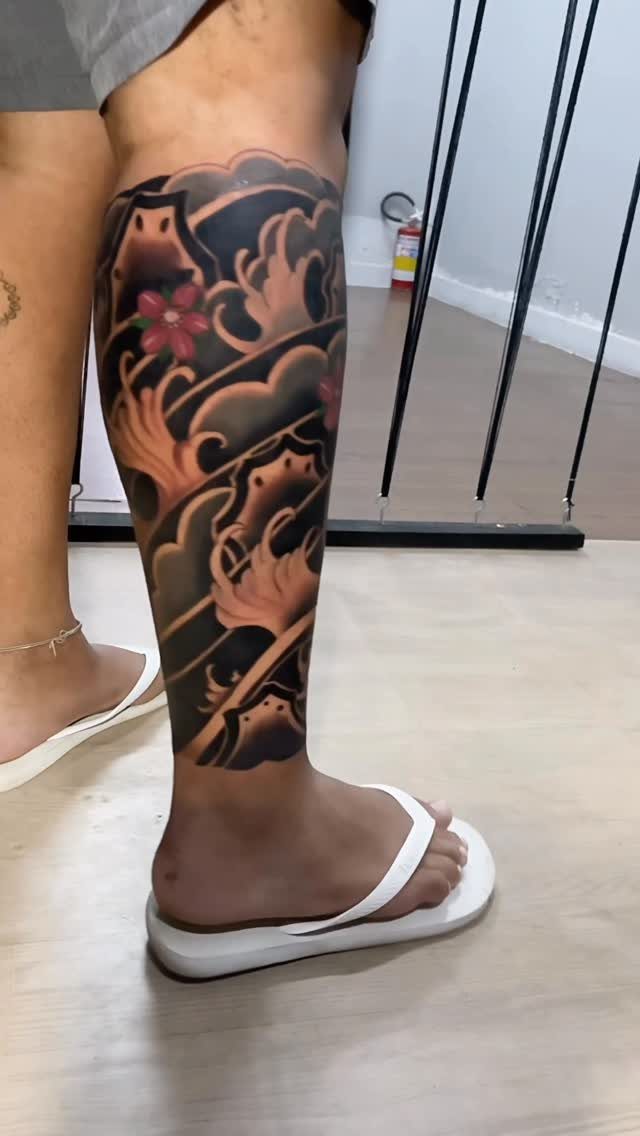
The calf offers one of the flattest, most stable surfaces on the body for Japanese work. Waves and flowers keep their shape on the calf because the skin there stays steadier than a thigh or shoulder under weight or motion.
Japanese collectors often choose the calf for meaningful pieces that need to read cleanly for decades. You can hide it or show it by changing pants length, which matters in professional settings where hand or forearm ink would close doors.
A wraparound calf with background fill is a project, not a Saturday; expect to sit through multiple sessions and budget your patience along with your money.
The shin bone hurts more than the muscle belly; ask your artist to map the hardest areas for the sessions when you are freshest.

🎃[10 Sheets Long Lasting Temporary Tattoos Snake] There are 10 Sheets Large Snake Temporary Tattoos For Men Women Kids Children Adults,You Can See Different Designs Including Black Rose Flower Sword Cobra Mamba Viper Serpent Skull Snake Tattoos Snakes.

【 Exquisite Craftsmanship】 High polished necklace jewelry, Comfort Fit Design, Classic, Durable.
💕【61 Sheets】--VANTATY 3D Flowers Temporary Tattoos For Women Girls Kids Adults Body Art Stickers Look Real! 【click Our Store/brand Name To See More Fashion Designs】
Frequently Asked Questions
Are tattoos still frowned upon in Japan?
Old-school irezumi still gets side-eyed in Japan because of its long tie to organized crime, and that association has faded only partly.
Onsen and sento have turned away tattooed guests for generations, though some spots have relaxed the policy in recent years.
The criminal association with yakuza became so powerful that people outside Japan often assume all Japanese tattoos equal yakuza tattoos, though the history is more complicated and irezumi existed among working communities and enthusiasts beyond organized crime.
What are the rules for a Japanese tattoo?
Japanese tattooing built up a visual grammar so strict that a sleeve or bodysuit reads as one flowing image, not separate pieces glued together; background waves, wind, or cherry blossoms bridge the gaps between subjects.
Main subjects connect through background elements like wind, water, and smoke rather than sitting as unrelated images next to one another.
A full sleeve or bodysuit in this style should look like a single painting that happens to wrap around skin, which is why the planning takes months and the work takes years.
Should my kanji tattoo be vertical or horizontal?
Vertical layout runs top-to-bottom like old manuscripts, and it fits the spine, back, or calf when you want the piece to feel ceremonial or rooted in history.
Left-to-right horizontal matches how Japanese reads today, and it sits naturally on the chest or forearm for a more current look.
Where do Japanese people place kanji tattoos?
Japanese collectors usually put important kanji where the skin is broad and flat: the upper back and chest lead the list.
Strength and wisdom characters tend to land on the upper back; private, personal meanings usually go over the heart. Forearm and calf get plenty of use too, especially for characters you want to see without a mirror.
Wrist and ankle kanji are rare in Japan; the preference is for larger work on flatter planes, since curves like the shoulder or ribs can warp the strokes.